
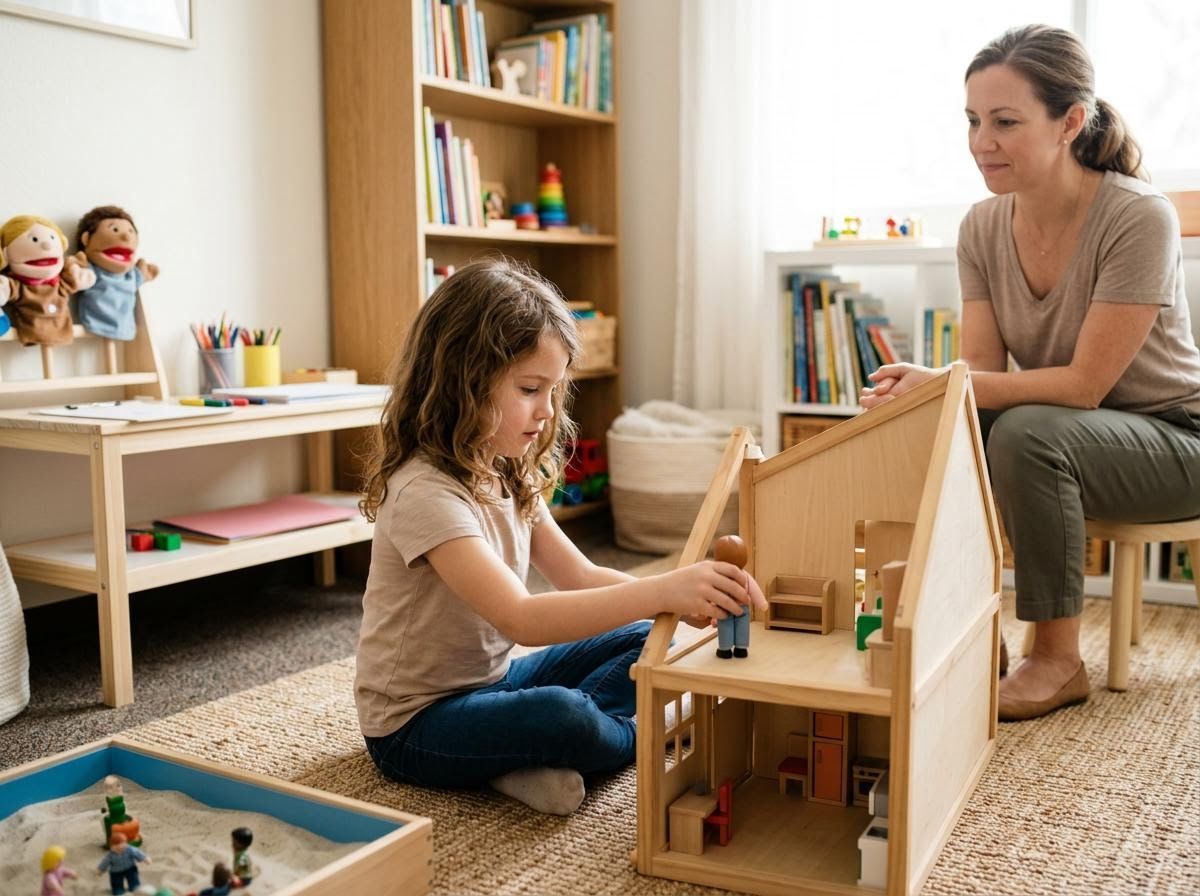
Children often experience big emotions that they lack the words to express, making it challenging for parents and caregivers to understand their inner world. This is where play therapy offers a profound pathway to healing and understanding. At Dr Bergin, we recognize that for young minds, play is not just fun; it's their natural language for communication, exploration, and processing complex feelings. Through the power of structured play, children can navigate their experiences, develop coping mechanisms, and find their voice in a safe and supportive environment.

The Language of Childhood
Children are naturally wired to learn and grow through play. Unlike adults who can articulate their thoughts and feelings through verbal communication, a child's brain is still developing these sophisticated linguistic skills. When faced with stress, trauma, or emotional upheaval, they may exhibit behavioral challenges, withdrawal, or physical symptoms because they can't verbalize what's happening internally. Play provides a non-threatening and familiar medium for them to symbolically act out their fears, anxieties, and experiences, allowing a deeper understanding of their emotional landscape without the pressure of finding the "right" words.
What is Play Therapy? More Than Just Fun and Games
Play therapy is a structured, theoretically based approach to therapy that builds on the normal communicative and learning processes of children. While it may look like ordinary play, it involves a specially trained therapist who understands how to interpret a child's play and intervene in ways that facilitate healing. The therapist creates a safe space, often equipped with specific toys, art supplies, and sand trays, which become tools for expression. Through play, children can explore their world, practice social skills, resolve conflicts, and process difficult emotions, all under the compassionate guidance of a skilled professional. It's a powerful form of mental health services tailored specifically for young clients.
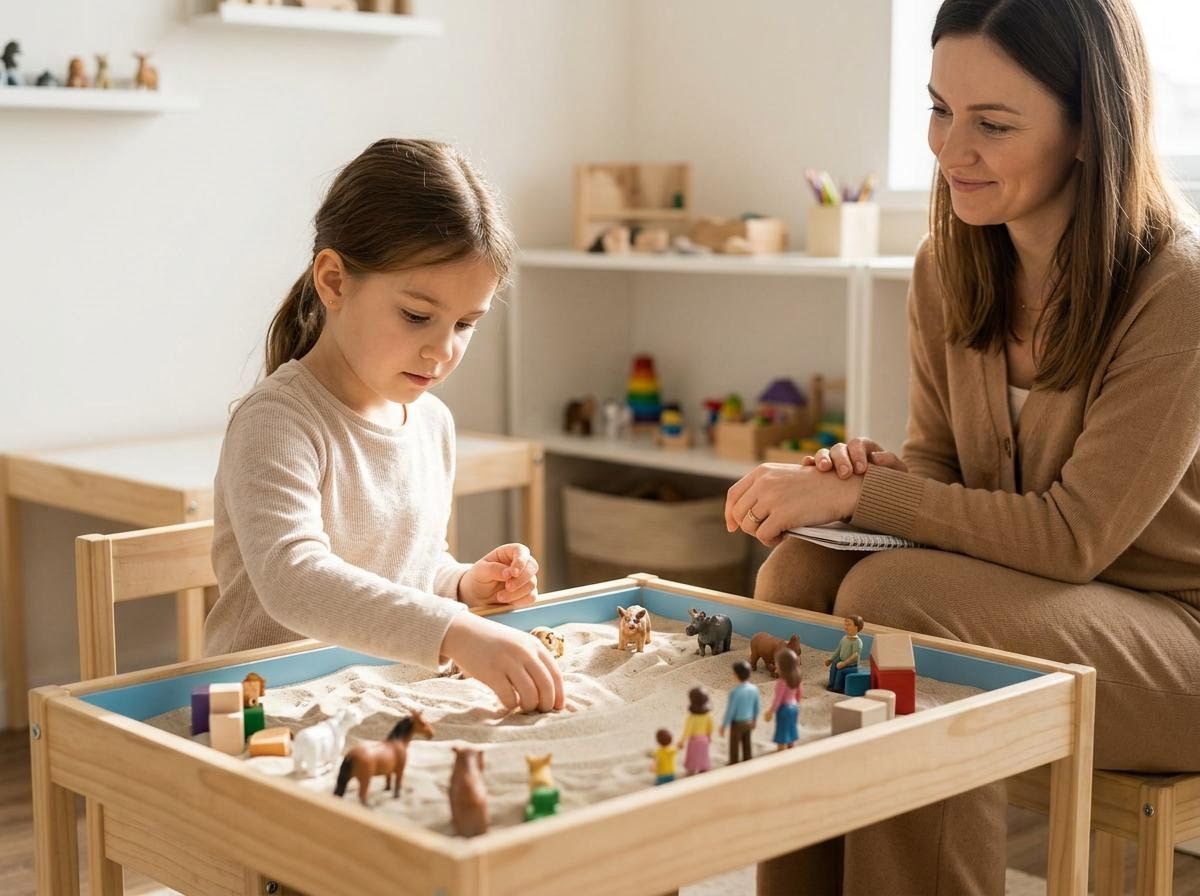
How Play Therapy Fosters Emotional Healing
The effectiveness of play therapy lies in its ability to meet children where they are developmentally. When a child experiences trauma, anxiety, grief, or family changes, their internal world can feel chaotic. Play therapy provides an opportunity to externalize these internal struggles. For example, a child might use a dollhouse to re-enact family dynamics, or draw a picture that represents their anger or sadness. This process allows them to gain a sense of control, experiment with new solutions, and integrate challenging experiences in a way that promotes emotional regulation and resilience. This evidence-based therapy helps children move from confusion to clarity, empowering them to cope with life's challenges.
Empowering Children Through Non-Verbal Expression
One of the most profound aspects of play therapy is its capacity to empower children who might otherwise feel powerless. For children who have experienced difficult situations, play can restore a sense of agency and self-worth. It encourages creativity, problem-solving, and emotional expression in a context that feels natural and unintimidating. This approach is particularly beneficial for children struggling with ADHD, anxiety, depression, trauma, or navigating challenging family transitions, providing a constructive outlet for their unique experiences and helping them develop healthier ways of interacting with their world and within their family counseling services.
Understanding that play is a child's primary language allows us to appreciate the profound impact of play therapy. It's not merely a distraction, but a vital, evidence-based therapy that helps children process complex emotions, develop coping strategies, and ultimately heal. If you're observing your child struggling with big feelings or behavioral changes, remember that a skilled therapist can guide them through this transformative process. To learn more about how our specialized mental health services at Dr Bergin can support your family and help your child thrive, we invite you to explore our approach and schedule an appointment to discuss their unique needs.